

Are Electric Bikes Safe? Battery Fire Myths vs Facts
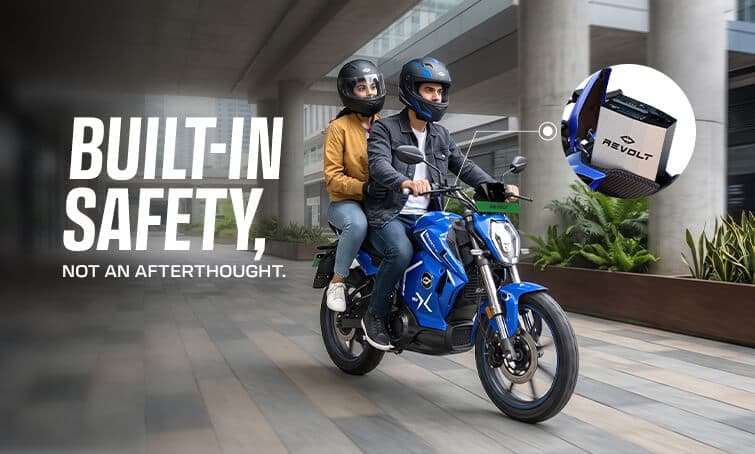
A string of battery fire incidents a few years ago left a lasting impression on how Indian buyers think about electric two-wheeler safety, and it's a fair question to still ask before you buy one. The honest answer is that the picture has changed substantially since then, both in regulation and in battery technology, but it's worth separating what's actually true from what's just leftover anxiety from headlines that are now several years old. The 2022 incidents that shaped public perception were concentrated among a small number of manufacturers using low-cost battery packs with inadequate thermal management, poor cell-to-cell spacing, and in several documented cases, counterfeit or mismatched chargers. It wasn't a lithium-ion chemistry problem across the board, it was a design and quality-control problem specific to a handful of products. That distinction matters enormously when evaluating whether a specific bike today is genuinely risky or not. Not true. A battery management system for electric bikes monitors cell temperature, voltage, and charge rate in real time and cuts power if something goes out of tolerance, and its quality varies significantly between manufacturers. Understanding the battery chemistry used in electric vehicles a manufacturer uses is a more useful safety signal than the brand name alone, since two bikes with visually similar spec sheets can have very different underlying safety engineering. This one has some truth buried in it, but the nuance matters. The risk isn't charging duration by itself, it's charging with a mismatched or damaged charger, on a circuit without proper ventilation, or continuing to charge a pack that's already showing signs of damage. A well-designed BMS with proper thermal cutoffs largely addresses the overnight-charging concern, which is why AIS-156 Phase 2 certification, India's revised battery safety standard introduced after the 2022 incidents, specifically tightened requirements around thermal propagation and BMS design rather than restricting charging duration itself. Following the 2022 fire incidents, the Ministry of Road Transport and Highways mandated stricter battery testing under AIS-156 for all electric two-wheelers sold in India, covering thermal propagation resistance, cell-to-cell spacing, and BMS response times. Any electric bike sold today has to clear a materially higher safety bar than models sold before that mandate, which is a large part of why fire incidents have become far less frequent in the years since, even as overall EV sales volumes have grown substantially. Petrol vehicles carry their own fire risk profile, just from a different source, fuel combustion rather than thermal runaway. Neither is risk-free, and the practical safety question for any vehicle, electric or otherwise, is how well-designed the risk mitigation is. On the Revolt RVX, that includes cell-level thermal monitoring and IP67-rated battery enclosure sealing against dust and moisture ingress, engineering choices made specifically in response to the lessons of the 2022 incidents. Check whether the model is AIS-156 Phase 2 certified, this is now the baseline safety standard, not an optional extra Ask about the battery enclosure's IP rating for dust and water resistance Look for a documented BMS with real-time thermal monitoring, not just a marketing mention of 'smart battery' Check the manufacturer's own track record and how long they've been building electric two-wheelers specifically Use only the charger that came with your bike, never a third-party or generic replacement Avoid charging in direct sun or an enclosed, poorly ventilated space during peak heat Follow basic maintenance practices for electric bike batteries that keep the pack within its intended temperature and charge-cycle range Get the battery inspected if you notice swelling, unusual heat, or a burning smell, and stop using it immediately if you doWhy the Original Fires Happened
Myth: All Electric Bike Batteries Are Equally Risky
Myth: Fire Risk Means You Shouldn't Charge Overnight
Fact: Regulation Has Genuinely Tightened
Fact: Fire Risk Isn't Unique to Electric Vehicles
How to Evaluate Safety Before You Buy
Practical Steps That Actually Reduce Risk