

Best Electric Sports Bike in India: Full Guide
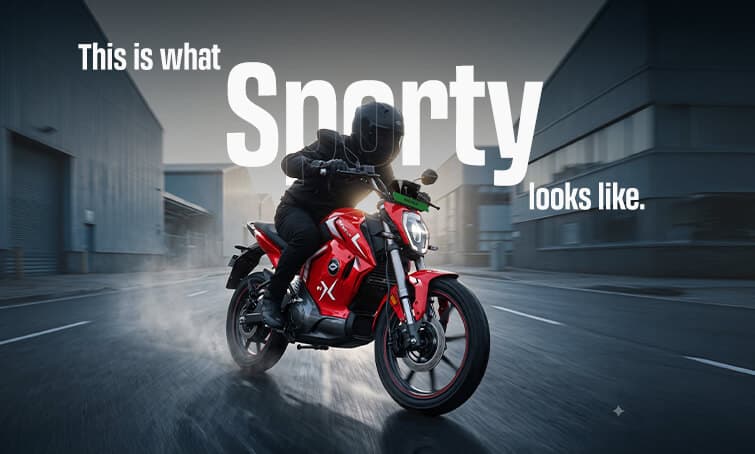
Most electric motorcycles sold in India are built around commuting: predictable acceleration, efficient range, low running costs. A smaller segment is built around something different, performance, in the form of faster 0-40 km/h acceleration, a higher top speed, and a riding position and suspension setup tuned for spirited riding rather than pure efficiency. Here's how to tell the two apart, which specs actually matter, and how to shortlist an electric sports bike that genuinely delivers on its positioning rather than just looking the part. The distinction isn't just marketing language. A genuine electric sports bike typically uses a higher peak motor output relative to its weight, a stiffer suspension setup, often USD front forks for sharper handling rather than conventional telescopic forks, and a riding stance that leans the rider forward rather than upright. Our detailed comparison of electric sports bike vs commuter bike breaks down the practical differences in ride feel and everyday usability, which matters because a sports-oriented bike is a genuine trade-off, not a strictly superior category. The Revolt RVX electric bike price and specs starts at ₹1,29,990* ex-showroom and is built around a genuinely distinctive retro-futuristic design alongside performance-oriented hardware, including inverted front forks for sharper handling. Its 160 km* IDC range and 5.3 kW* peak motor power put it in the upper tier of the ₹1-1.5 lakh electric motorcycle bracket. Beyond raw output, the RVX also comes with connected features like geo-fencing and GPS-based vehicle tracking included as standard, not as an optional add-on, which is a meaningful differentiator when comparing total value against other performance-oriented models in the same price band. Revolt's RV BlazeX electric motorcycle leans further into connected-features territory alongside its performance hardware, with 4G connectivity, live GPS tracking, and multiple artificial sound profiles. It's worth reading a direct comparison rather than assuming both models serve the same rider, since the BlazeX and RVX are positioned for slightly different priorities within the same broad performance segment. Kerb weight matters more for a sports-oriented bike than a commuter, since it directly affects acceleration and cornering agility. A lighter bike with the same motor output will generally feel quicker off the line and more responsive through corners, which is why manufacturers publish this figure alongside power output rather than power alone. When comparing two electric sports bikes with similar peak motor figures, the lighter one will typically feel noticeably quicker in real-world riding, particularly through tight, low-speed corners. It's easy to focus purely on motor power and acceleration numbers when shopping for a performance-oriented bike, but suspension travel, fork type, and braking hardware matter just as much for how the bike actually feels to ride hard. Inverted front forks generally offer better rigidity and feedback under braking than conventional forks, and dual-channel braking systems provide more predictable stopping performance than single-channel setups, both worth checking explicitly rather than assuming they're standard across the segment. Most performance-oriented electric motorcycles, the RVX included, offer multiple riding modes that adjust throttle response, acceleration curve, and top speed limiting. A more aggressive mode delivers sharper throttle response and quicker acceleration at the cost of faster battery drain, while a conservative mode smooths out power delivery for better range and easier low-speed control. Understanding how these modes actually change the ride, rather than treating them as a marketing checkbox, helps you get genuine performance when you want it and better range the rest of the time. A performance-focused buyer sometimes overlooks connected features in favour of raw specs, but geo-fencing, GPS tracking, and app-based diagnostics genuinely add practical value beyond the thrill of acceleration, particularly for theft deterrence and peace of mind when the bike is parked somewhere unfamiliar. When two performance models are closely matched on power and handling, this is often the differentiator worth paying closer attention to. Claimed acceleration and top speed figures are measured under standard test conditions and give you a comparison baseline, not a guarantee of what you'll feel on the road. If performance is the deciding factor in your purchase, a test ride is genuinely worth the trip before you commit, since ride feel, suspension response, and braking confidence are all things a spec sheet simply can't communicate.What Makes a Bike 'Sports' Rather Than 'Commuter'
The RVX: Revolt's Performance Model
The RV BlazeX: A Different Kind of Performance Focus
What Kerb Weight Tells You
Suspension and Braking Deserve Equal Attention
Riding Modes and How They Affect Performance
Connected Features Worth Weighing Against Pure Performance
Testing Before You Decide
Conditions apply. Figures marked with an asterisk are claimed/rated values based on internal testing under standard conditions. Actual performance may vary depending on riding conditions, road and terrain, load, tyre pressure, rider weight, and riding style.