

How the Revolt RV400 Changed Electric Bikes in India (2026)
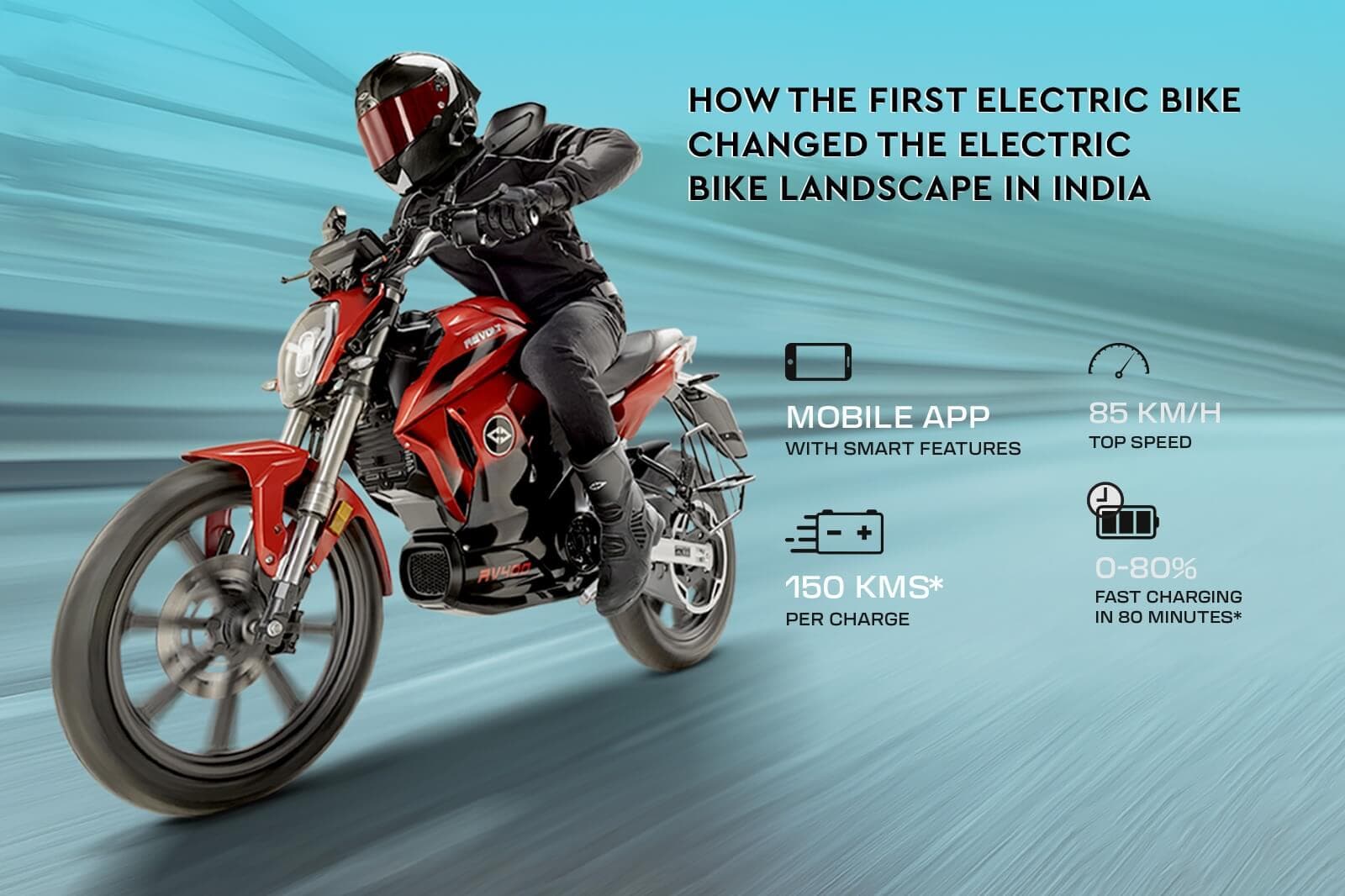
Not long ago, an electric motorcycle that could keep up with petrol bikes sounded like science fiction. In 2019, Revolt Motors launched the Revolt RV400, which Revolt markets as India’s first electric commuter motorcycle, and the conversation about two-wheelers started to change. This post looks at what the RV400 brought to the market, how the ecosystem around electric bikes has grown, and what to check if you are considering one today.
What the RV400 Brought to the Market
Electric scooters were already on Indian roads, but a motorcycle with the look, feel and performance riders expected from a petrol bike was missing. The RV400 was built for that gap: a connected, tech-led commuter motorcycle designed for daily city riding with lower running costs.
RV400 Key Specifications
| Spec | Revolt RV400 |
|---|---|
| Range (IDC) | 150 km* |
| Top speed | 85 km/h* |
| Motor | 4.1 kW mid-drive PMSM |
| Battery | 3.24 kWh removable NMC, IP67 |
| Charging 0-80% | 3 hrs 30 mins normal, 80 mins fast* |
| Brakes | CBS with front and rear disc, regenerative braking |
| Ground clearance | 200 mm |
| Battery warranty | 8 years or 80,000 km |
*Claimed figures under test conditions. Real-world results vary and warranty terms apply. See the latest details on the RV400 page.
Smart Features That Set the Tone
- MyRevolt app: start and stop the bike, locate it, set geo-fencing, view ride data and use voice commands. See the MyRevolt app complete guide.
- Sound profiles: pick from multiple exhaust sound themes or ride in silence.
- Reverse mode and digital display for easier parking and a clear view of speed, battery and riding mode.
- Riding modes: Eco, Normal and Sport for different traffic and road conditions.
Built for Indian Roads
The RV400 has 200 mm of ground clearance, USD front forks, a rear monoshock, CBS with disc brakes and an IP67 battery. Together these help it deal with potholes, speed breakers and monsoon roads. You can read how braking energy is recovered in our guide to regenerative braking in electric bikes.
Charging Made Simple
The battery is removable, so you can charge it on the bike or carry it indoors and plug into a standard 3-pin socket. Normal charging from 0 to 80% takes about 3 hours 30 minutes, and fast charging takes about 80 minutes*. For tips and costs, read the electric bike charging guide.
Policy and Incentives Have Moved On
Earlier posts on this topic pointed to FAME II as the main subsidy. Central and state incentives have changed since then, and some schemes have ended or been replaced. Before you buy, check the current central scheme and your state’s policy. Our guides on government subsidy for electric bikes in India and Delhi EV Policy 2026 are a good place to start.
Running Costs
Electric motorcycles cost far less to run per kilometre than petrol bikes, with no engine oil changes and fewer moving parts to service. Use the Electric Motorcycle Savings Calculator to see what you could save based on your own daily distance.
How the Market Has Grown
Since the RV400 arrived, more startups and established manufacturers have launched electric two-wheelers, and charging options have expanded. Revolt’s own range has grown too, with the RVX, RV BlazeX and the RV1+ and RV1. To see how the field compares, read our top 10 electric bikes in India.
Final Thoughts
The RV400 showed that an electric motorcycle could be practical, connected and fun to ride. If you are weighing up the switch, the best next step is to see one in person. Book a test ride and check the latest specs and offers on the RV400 page.