

Regenerative Braking in Electric Bikes: How It Works (2026 Guide)
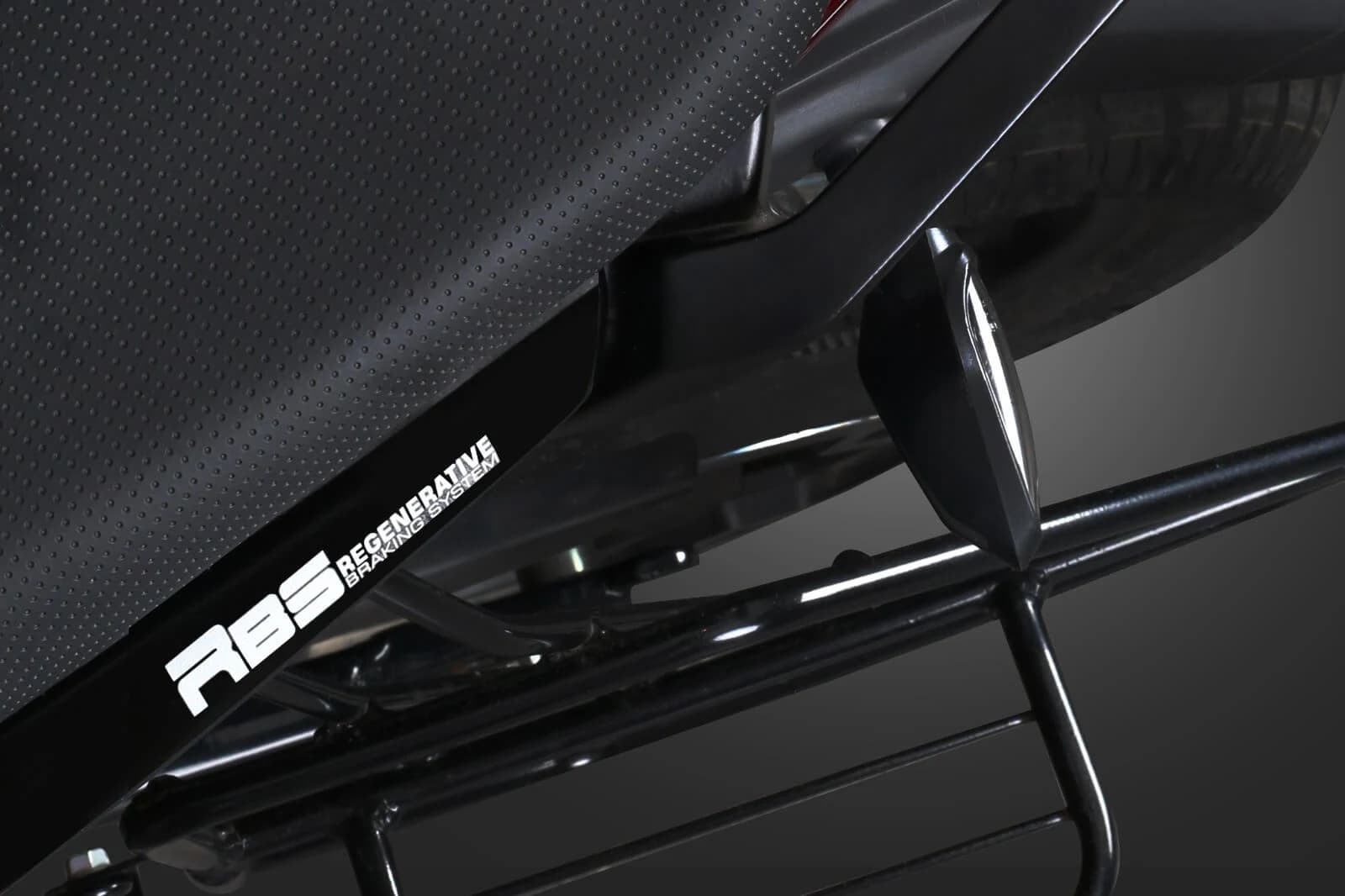
Every time you brake on a Revolt electric motorcycle, a small part of the energy that would normally be lost as heat goes back into the battery. That is regenerative braking. This guide explains how it works, what it does for your range, and how it fits with the rest of the braking system on the Revolt RV400 and Revolt RVX.
What Is Regenerative Braking?
In a petrol bike, braking turns motion into heat at the brake pads, and that energy is simply lost. An electric motorcycle can do something smarter. When you slow down, the motor can work as a generator and send a little electricity back to the battery. You are not getting free power, only recovering a part of what you spent to build up speed.
How It Works on Revolt Motorcycles
The RV400 series and the RVX use a mid-drive PMSM motor and a regenerative braking system working with disc brakes. When you slow down:
- The bike senses that you are decelerating.
- The motor switches to generator mode instead of turning all that motion into heat.
- The recovered energy flows back to the battery.
It all happens automatically. There is no switch to flip and no mode to select.
Does Regenerative Braking Add Range?
Yes, a little, but the amount depends on how and where you ride. Stop-start city traffic and downhill stretches give the system more chances to recover energy than a steady highway run. We do not promise a fixed gain, because it varies with traffic, terrain, load and riding style. The official range figures are 150 km* IDC for the RV400 and 160 km* IDC for the RVX. For real-world numbers and ways to stretch every charge, read our Revolt RV400 mileage per charge guide and these tips to maximise electric bike range.
Regenerative Braking and CBS
Regenerative braking does not replace your brakes. Revolt motorcycles also use a Combined Braking System (CBS) with front and rear disc brakes. CBS shares braking force between both wheels, so you stay in control even if you use only one lever, while regenerative braking recovers energy in the background. Disc brakes remain your main stopping power.
Where You Will Notice It Most
- Heavy traffic: frequent slowing down means frequent small energy recovery.
- Hilly roads: braking on descents gives the system more to work with.
- Daily commutes: light braking on familiar routes adds up over a week.
Revolt Models at a Glance
| Spec | RV400 | RVX |
|---|---|---|
| Range (IDC) | 150 km* | 160 km* |
| Top speed | 85 km/h* | 90 km/h* |
| Battery | 3.24 kWh, removable | 3.24 kWh, removable |
| Brakes | CBS, front and rear disc | CBS, front and rear disc |
| Charging 0-80% | 3 hrs 30 mins* | 3 hrs 30 mins* |
| Battery warranty | 8 years or 80,000 km | 8 years or 80,000 km |
*Claimed figures under test conditions. Real-world results vary. Warranty terms apply. Check the latest details on the RV400 and RVX pages.
More Features That Make Riding Smarter
The MyRevolt app lets you choose from multiple sound profiles or ride in silence, set geo-fencing, find your bike and more. Read the MyRevolt app complete guide for every feature. Both bikes also include reverse mode and a digital display for speed, battery and riding mode.
Calculate Your Savings
Wondering how much going electric could save you? Try the Electric Motorcycle Savings Calculator to compare fuel and running costs.
Related Reading
- Charge smarter with the electric bike charging guide.
- Understand coverage in battery warranty terms to know before buying.
- Compare models in the top 10 electric bikes in India.
Conclusion
Regenerative braking is a quiet, automatic feature that recovers some energy every time you slow down, and it works alongside CBS and disc brakes for safer stops. It will not replace charging, but it helps you get more from each charge in the stop-start riding most of us do every day. To feel the difference yourself, book a test ride.